

BEST HEADPHONES UNDER $100
Choosing the right headphones under $100 depends on how you plan to use them, along with factors such as sound quality, comfort, design, and build quality. We’ve picked models that cover different listening needs, from studio monitoring and audiophile listening to strong bass and wireless use.
There are plenty of good-sounding headphones at this price point. A studio monitor, an open-back audiophile headphone, and a bass-heavy wireless model can all be good headphones while serving completely different purposes.
Serious audiophiles can spend hundreds or even thousands of dollars on high-end headphones, but you don’t need to spend that much to get good sound. There are plenty of excellent headphones available for listeners on a budget.
You don’t have to compromise on materials, sound quality, or useful features simply because your budget is under $100. However, some models that were excellent choices when this article was originally published are now discontinued or have moved outside the original price range.
My personal pick from these models is the Sony MDR-7506. It isn’t the newest or flashiest headphone here, but its balanced sound, strong isolation, durable design, and long-standing reputation make it the strongest all-around choice for serious listening and music production.
The Grado SR60x is the better option for an open and spacious listening experience, while the Skullcandy Hesh Evo makes more sense for wireless listening and stronger bass. The older Sony MDR-XB800 is harder to recommend today because it is a discontinued model.
Pick #1
GRADO SR60X
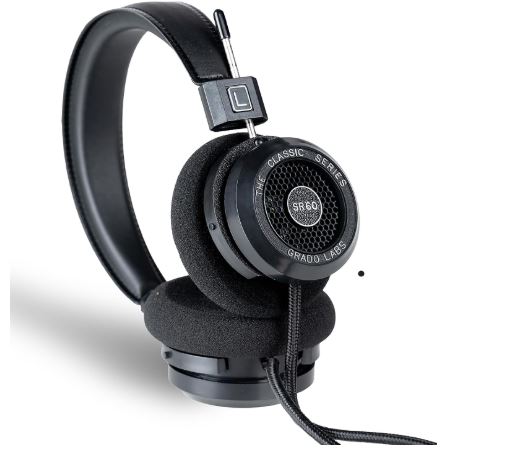
The Grado SR60x was one of the standout audiophile headphones under $100 when this list was originally published. It remains an interesting option for listeners who care more about an open, detailed presentation than wireless features or powerful bass. The current SR60x is no longer a true $100-or-less headphone at full retail, so its place on this older list is mainly based on the value it offered when originally reviewed.
PROS:
- Iconic design and retro styling
- Clean and balanced sound
- Open and spacious soundstage
- Lightweight construction
- Long-standing reputation among audiophiles
CONS:
- Open-back earcups leak sound
- Some listeners may find the stock pads uncomfortable
- Not ideal for bass-heavy music
- The current SR60x is no longer under $100 at full retail
The Grado SR60x updates the company’s entry-level headphones to X status. Budget audiophiles will surely enjoy it for several reasons, but mostly because of its sound and long-standing reputation.
I don’t think there is a more legendary name in the headphone world than Grado. The company was founded over 50 years ago by Joseph Grado, who sadly passed away a few years ago. His grandson Jon Grado has continued the family business from its New York base. It’s a legacy headphone brand; it’s iconic.
Grado’s legendary headphone design has remained relatively unchanged for decades, with only minor refreshes. The SR60x is the entry point to Grado’s Classic Series, although the current model is no longer priced below the original $100 budget.
The SR60x is an open-back design, so it won’t be suitable for the office or commuting when you need isolation from the outside environment. However, this is also why the Grado SR60x can produce such a wide and open presentation of the musical soundstage.
The styling is retro and instantly recognizable, and the lightweight construction keeps the headphones simple rather than bulky.
These are perfect headphones for listeners who don’t prioritize heavy bass. They are particularly well suited to rock, country, jazz, and other genres where clear mids and an open presentation matter.
The Grado SR60x is the best choice from this list for open-back home listening. It isn’t as versatile as the Sony MDR-7506, but listeners who value an open soundstage and lively presentation may prefer the Grado.
Pick #2
SONY MDR-XB800
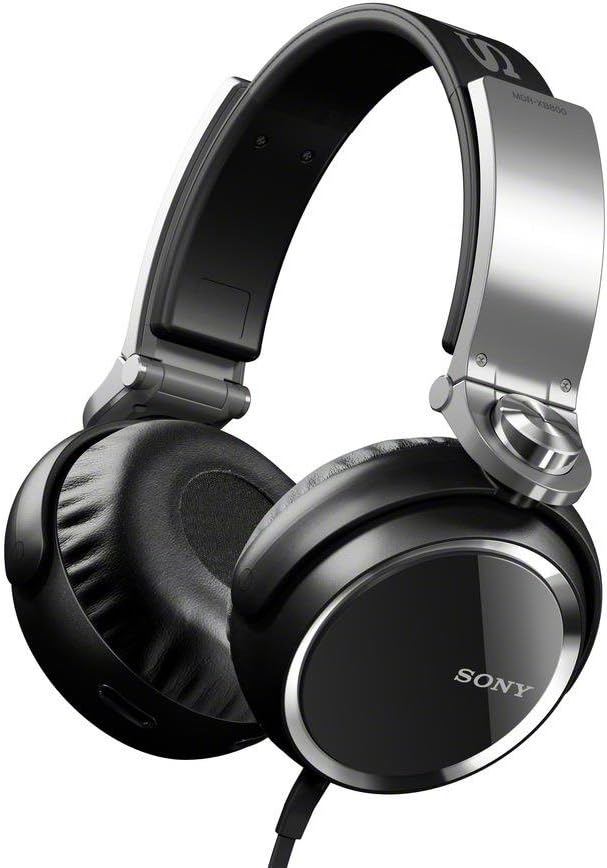
The Sony MDR-XB800 was included on the original list for one main reason: bass. The XB in the MDR-XB800 stands for Extra Bass, and these headphones were designed to deliver powerful low frequencies and strong sub-bass.
PROS:
- Deep bass response
- Foldable for easier transport
- Large dynamic drivers
- Closed-back design provides passive isolation
- Fun sound for bass-heavy music
CONS:
- Older discontinued model
- Bulky construction
- Earpads can become warm during long sessions
- Not suitable for listeners who prefer neutral sound
- Harder to justify as a current $100 purchase
I thought I would include the Sony MDR-XB800 on this list for one reason. Bass. The XB in the MDR-XB800 stands for Extra Bass, and these headphones deliver it in copious amounts.
These Sonys had the excellent build quality you would expect from a company known for making some of the best portable audio gear. Although they’re rather large headphones, you could still fold the MDR-XB800 down, making them an excellent option for travel when the model was readily available. They also block sound well for a passive closed-back headphone.
They came with a 4-foot cable with gold-plated 3.5mm connectors and had a distinctive design compared with many traditional studio headphones.
But it comes down to the sound. The large dynamic drivers and Extra Bass tuning made the MDR-XB800 particularly appealing to listeners who wanted strong low frequencies rather than a balanced presentation.
For electronic, rap, or pop music, the heavy bass can make these headphones fun to listen to. However, the MDR-XB800 is now an older discontinued model, so it does not make as much sense as a primary recommendation for a new headphone purchase in 2026.
The MDR-XB800 is worth mentioning for its powerful bass, but I wouldn’t choose it as a current $100 headphone. Its age and availability make newer models a safer purchase.
Pick #3
SONY MDR-7506
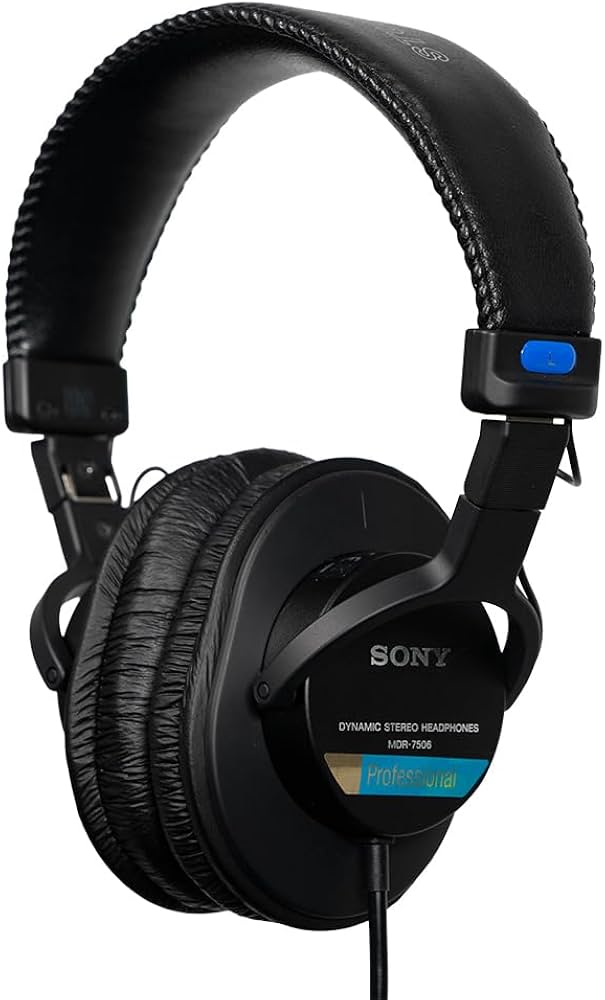
The Sony MDR-7506 is the strongest all-around headphone in this group and my personal pick from these models. It does not have the modern wireless features of newer headphones, but its sound, durability, isolation, and professional reputation give it an advantage that has lasted for decades.
PROS:
- Balanced and detailed sound
- Strong passive isolation
- Excellent for music production and monitoring
- Durable professional design
- Foldable construction
- Well-established reputation
CONS:
- Dated professional styling
- Long coiled cable can be cumbersome
- No Bluetooth or wireless connectivity
- No active noise cancellation
- Bassheads may prefer a more heavily boosted sound
The MDR-7506 is primarily designed to be used as a studio monitor headphone. However, the audiophile community has also recognized the Sony MDR-7506 as one of the best-known low-cost headphones for detailed listening.
Many MDR-7506 design choices make it an excellent portable headphone as well. These headphones are designed to be used regularly in professional environments, and the foldable construction makes them easier to carry.
The sound reproduction is relatively balanced across the audio frequency spectrum. No single area overshadows another, allowing you to hear a good amount of detail no matter what genre you decide to use them with.
The MDR-7506 also isolates extremely well and blocks a useful amount of ambient noise from your environment. This can make it a practical choice for commuting, although modern ANC headphones will provide better active noise cancellation.
The only downside is the cable. It is long when fully extended but coiled, so it can feel cumbersome outside a studio.
Of the models on this list, I would choose the MDR-7506 for the best combination of sound quality, durability, isolation, and practical use. It does not try to do everything, but it does the things it was designed for very well.
The Sony MDR-7506 is my overall recommendation from this list. It is the best fit for music production, monitoring, and detailed everyday listening, especially for buyers who don’t need Bluetooth or ANC.
Pick #4
SKULLCANDY HESH EVO WIRELESS
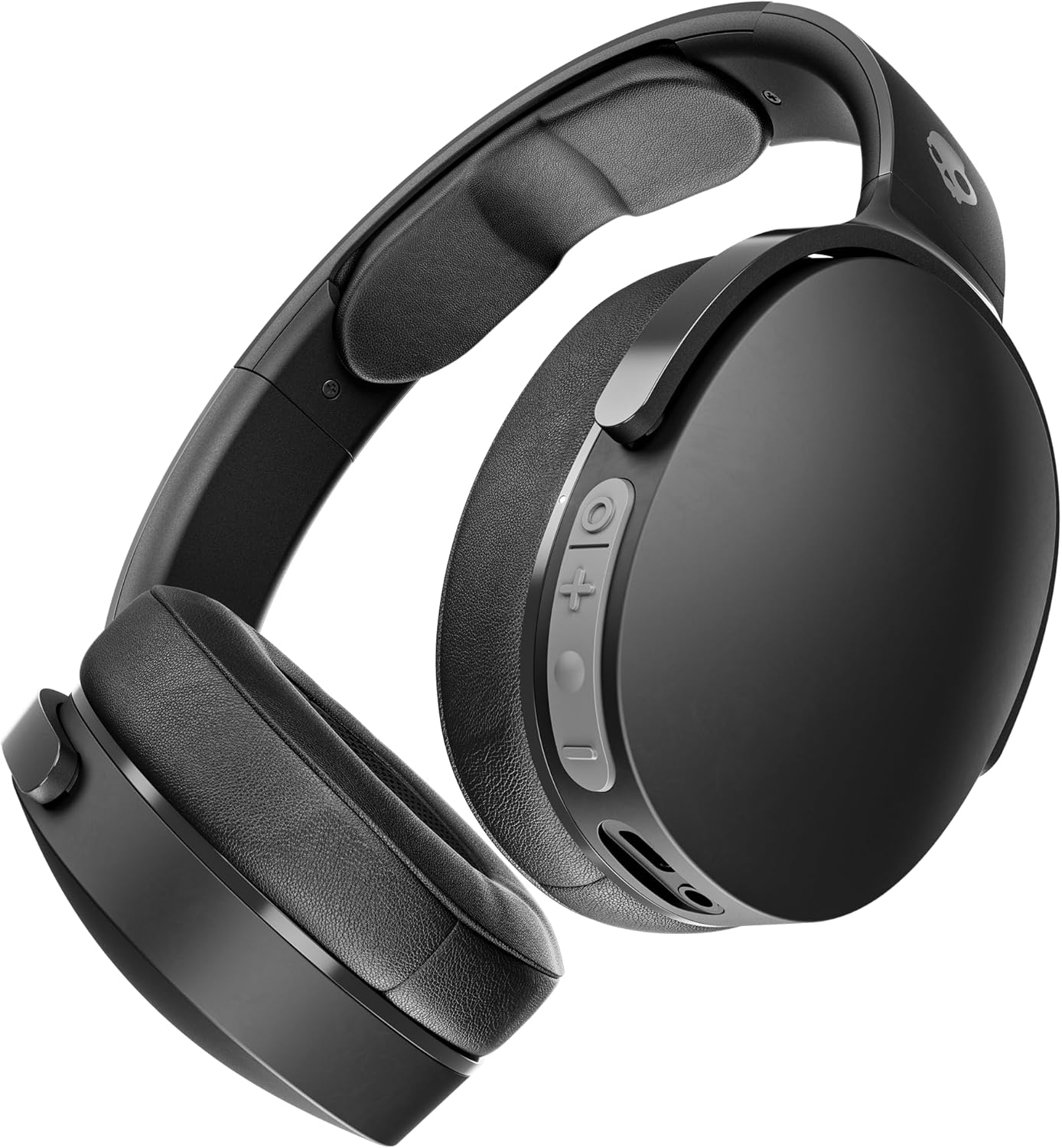
The Skullcandy Hesh Evo Wireless was included in the original list as a strong wireless option under $100. It offered a combination of wireless convenience, long battery life, bass-focused sound, and an over-ear design.
PROS:
- Stylish design with several color options
- Up to 36+ hours of battery life
- Fast charging
- Fun, bass-focused sound
- Bluetooth and wired listening
- Tile tracking support
CONS:
- No active noise cancellation
- Older Bluetooth 5.0 platform
- No longer a leading model in Skullcandy’s current lineup
- Bass-heavy sound is not ideal for neutral listening
- Value depends on current price and availability
The Skullcandy Hesh Evo Wireless was one of the feature-rich wireless options in this price range when it was originally included on this list. It has since been replaced by newer models, but it remains worth mentioning because it offered a lot for its original price.
The Hesh Evo supports Bluetooth 5.0, USB-C charging, Tile tracking, and up to 36+ hours of playtime. A 10-minute rapid charge can provide more than 3 hours of playback.
The Hesh Evo can connect to phones, tablets, computers, and other Bluetooth devices. It also supports a wired connection, giving you another option when you don’t want to use Bluetooth.
The sound is aimed more at fun listening than accurate monitoring. The stronger bass works well with pop, hip-hop, electronic music, and other genres where a fuller low end is welcome.
The lack of ANC is the biggest limitation for commuters and frequent travelers. Passive isolation can reduce some outside noise, but it cannot compete with modern active noise cancellation.
The Skullcandy Hesh Evo is a good choice when wireless convenience, long battery life, and strong bass matter more than ANC or neutral sound. It isn’t my overall pick, but it makes more sense for everyday wireless listening than the much older MDR-XB800.
Which Headphone From This List Would I Choose?
The Sony MDR-7506 would be my choice from these models.
The reason is simple: it offers the best overall combination of sound quality, durability, isolation, and practical use. The Grado SR60x is more appealing for open-back audiophile listening, while the Hesh Evo is more convenient for wireless use and stronger bass. The MDR-XB800, meanwhile, is an older discontinued model that is difficult to recommend as a current purchase.
The MDR-7506 doesn’t have Bluetooth, ANC, or the modern features found on newer headphones, but those aren’t necessary for everyone. For music production, monitoring, and detailed listening, its straightforward wired design remains one of its strengths.
That does not make it the best headphone for everyone. Someone who wants an open soundstage for home listening may prefer the Grado, while someone who wants wireless convenience may prefer the Hesh Evo. But if I had to choose just one of these headphones for the best overall value and performance, I would buy the Sony MDR-7506.
Frequently Asked Questions
Which headphone is the best overall from this list?
The Sony MDR-7506 is the best overall choice from these models because it combines balanced sound, strong passive isolation, durable construction, and proven studio performance.
Are the Grado SR60x headphones good for everyday use?
They can be excellent for home listening, but the open-back design makes them less suitable for commuting, offices, or other noisy environments. They also leak sound, so people nearby can hear what you are listening to.
Is the Sony MDR-7506 good for music production?
Yes. The MDR-7506 was designed as a studio monitor headphone and remains a practical option for monitoring, recording, editing, and general detailed listening.
Is the Sony MDR-XB800 still worth buying?
Only in specific circumstances. The MDR-XB800 is an older, discontinued model, so its age and availability make it less attractive than current headphones around the same price. Its strong bass remains its main appeal.
Does the Skullcandy Hesh Evo have ANC?
No. The Hesh Evo does not have active noise cancellation. It relies on the physical design of its earcups for passive isolation.
Which headphone is best for bass-heavy music?
Among these models, the Sony MDR-XB800 was specifically designed for strong bass, while the Skullcandy Hesh Evo also provides a bass-focused sound. The MDR-7506 is better suited to listeners who prefer a more balanced presentation.
Are open-back headphones better than closed-back headphones?
Neither design is universally better. Open-back headphones such as the Grado SR60x can provide a more spacious presentation, but they leak sound and offer little isolation. Closed-back headphones such as the Sony MDR-7506 are more practical when you need isolation or want to prevent sound from leaking into your surroundings.
Are these headphones still under $100?
Not necessarily. Headphone prices and availability change, and some models in this original list are now discontinued or priced differently. The Grado SR60x is no longer under the original $100 budget at full retail, while the MDR-XB800 is an older, discontinued model. Always check the current price and availability before treating the original under-$100 ranking as a current buying list.
Conclusion
There are plenty of good headphones in and around the $100 range, but the right choice depends on what matters most to you. The Grado SR60x stands out for open-back listening, the Skullcandy Hesh Evo offers wireless convenience and strong bass, and the Sony MDR-XB800 remains an interesting option for bass enthusiasts despite being an older model.
I would choose the Sony MDR-7506. Its balanced sound, durable build, strong isolation, and studio-focused design make it the most practical choice from this list for both serious listening and music production.