

Best Headphones Under $500
We all want headphones that sound great, have good dynamics, feel comfortable, and are built to last. Unfortunately, some high-end headphones can be too expensive for most people. The good news is that there are plenty of headphones under $500 that offer excellent sound, comfort, build quality, and attractive designs.
These headphones do not all have the same characteristics. Each model has its own strengths, which makes it better suited to certain types of listening. Some focus on a warm and enjoyable sound, while others are designed for monitoring, DJ use, or a more open presentation.
Some of the models are worth considering under $500.
Pick #1
Meze 99 Classics
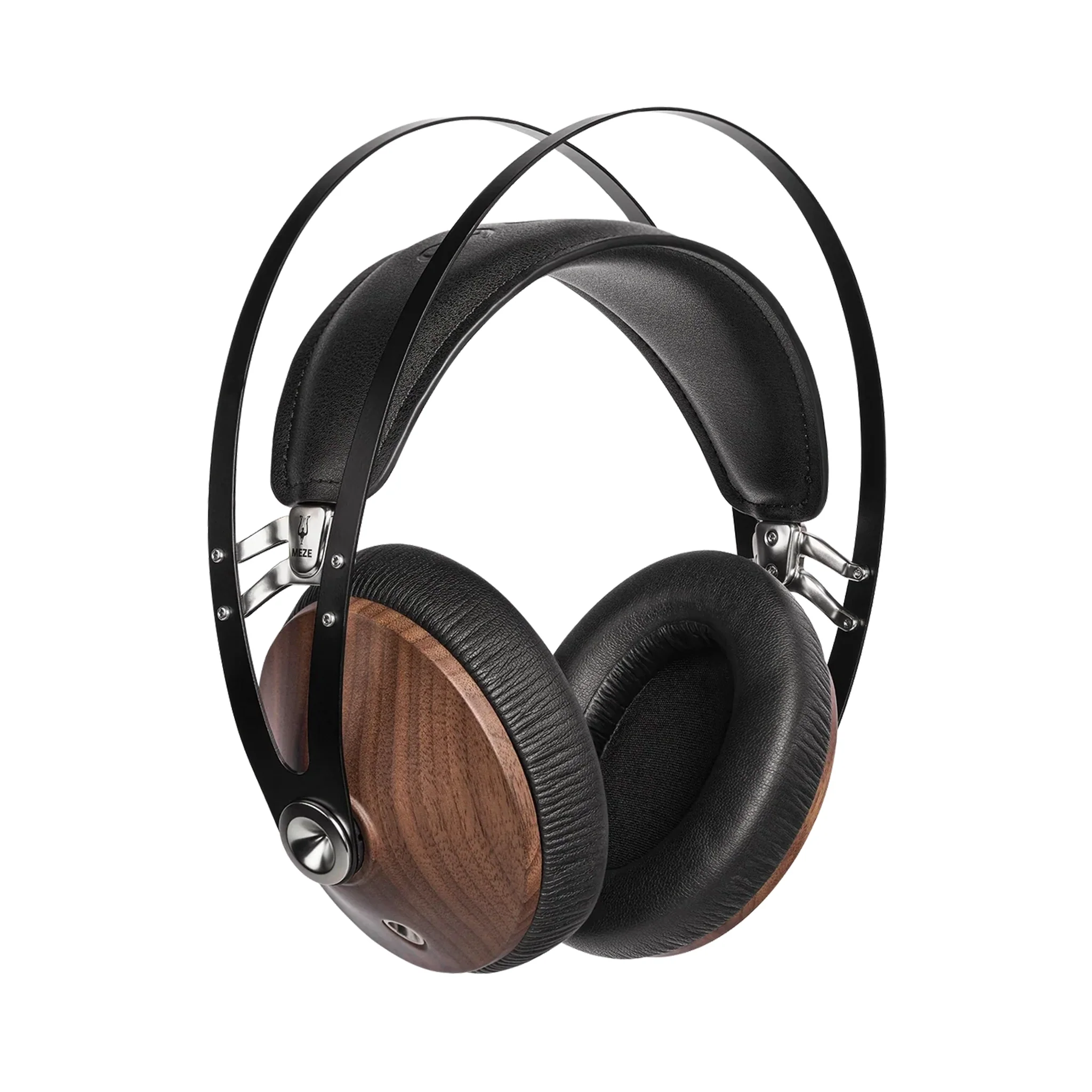
The Meze 99 Classics has a distinctive design and a warm, enjoyable sound. Its walnut wood ear cups and metal hardware give it a more premium appearance than many headphones in this price range.
One of the things that makes the design different is the self-adjusting headband. Instead of manually adjusting the headband every time, the suspension system adapts to your head. The ear pads are made from soft vegan leather and are replaceable.
Pros
- The Meze 99 Classics offers great sound quality with a warm and enjoyable presentation.
- Its superb design combines walnut wood ear cups with metal hardware for a premium appearance.
- The comfortable self-adjusting headband adapts to your head without requiring manual adjustment.
- The detachable cables make it easier to replace or upgrade the cable when needed.
- The walnut wood ear cups give the headphones a distinctive and attractive design.
Cons
- The closed-back design is not ideal for listeners who prefer the spacious presentation of open-back headphones.
- The headphones can feel warm or heavy around the ears during long listening sessions.
- The limited swivel can be a drawback compared with some other headphones.
The 99 Classics uses 40 mm dynamic drivers, has a 32-ohm impedance, weighs about 260 grams, and is designed as a closed-back headphone. Its sensitivity is rated at 103 dB SPL/mW, so it is relatively easy to drive from common devices.
The sound is generally warm, rich, and musical rather than strictly neutral. Bass has some elevation without becoming excessively aggressive, while the midrange gives vocals and instruments a full presentation. The treble is somewhat relaxed, which can make the headphones comfortable for longer listening sessions.
The main limitations are the relatively small amount of swivel and the possibility of heat buildup from the closed-back ear pads. They also do not provide the spacious presentation associated with an open-back headphone.
The original 99 Classics remains an established model, but Meze now also offers the 99 Classics 2nd Gen, which adds a revised design and fully serviceable construction. The 2nd Gen uses 16-ohm impedance and weighs 290 grams.
Pick #2
Ultrasone Performance 880

The Ultrasone Performance 880 was one of the more interesting models in the original list because of its unusual approach to sound reproduction. Its S-Logic technology places the drivers differently from conventional headphones to create a more spatial presentation.
The Performance 880 has a closed-back design with 40 mm titanium-coated drivers and a 32-ohm impedance. It was supplied with detachable cables, including a shorter cable with an inline microphone for mobile use.
Pros
- The Ultrasone Performance 880 is comfortable for long listening sessions.
- Its strong and lightweight design makes it practical for extended use.
- S-Logic technology is designed to create a more spatial presentation than conventional headphones.
- The detachable cables make the headphones easier to maintain and use with different cable options.
Cons
- The Performance 880 uses a closed-back design rather than an open-back design.
- Its sound can be too bass-heavy for listeners who prefer a neutral presentation.
- Current availability is limited compared with more widely available headphone models.
Its sound signature is focused on the lower frequencies. The bass is rich and smooth, while the overall presentation is relatively mellow. This can work particularly well with music that benefits from a strong low end, including electronic music, funk, hip-hop, and recordings with prominent bass guitars.
The headphone also has a more spacious presentation than you might expect from some conventional closed-back designs. However, listeners who prefer a highly neutral or bright presentation may find the Performance 880 too warm.
The main problem in 2026 is availability. Several major retailers now list the Performance 880 as discontinued or unavailable, although it can still appear through some retailers and regional sellers.
Because of that, I would not make it a primary recommendation for someone buying a new pair today. It is better treated as an older model worth considering when a genuine new or well-maintained unit is available at a reasonable price.
Pick #3
Fostex T60RP

The Fostex T60RP is a beautiful semi-open headphone with a very different character from the Sennheiser HD 600. Fostex’s RP planar magnetic driver is one of the main reasons this model attracts attention.
The original T60RP uses an African mahogany housing, a 50-ohm impedance, 92 dB/mW sensitivity, and weighs approximately 380 grams without the cable. Fostex describes it as a semi-open RP dynamic headphone with a planar magnetic driver.
Pros
- The Fostex T60RP has a semi-open design that gives it a different presentation from conventional closed-back headphones.
- Its planar magnetic driver is one of the main reasons the model attracts attention.
- The headphones offer excellent build quality with a distinctive wooden housing.
- The detachable cable makes the headphones easier to maintain and use with different cable options.
- The wood construction gives the T60RP a distinctive and premium appearance.
Cons
- The T60RP is heavier than many competing headphones.
- It requires more power than some easy-to-drive headphones.
- The original T60RP is discontinued, which makes availability more limited.
The wooden housing gives the headphones a distinctive appearance, while the around-ear pads provide a comfortable fit for longer listening sessions. The cable is detachable, and balanced connections are supported with optional cables.
The sound has a fuller and thicker low end than the HD 600. The bass can give hip-hop, pop, EDM, and synthesized music plenty of body. Electric guitars, piano, and other instruments can also sound rich and full.
That extra thickness is not always an advantage. Some recordings can sound less airy, and instruments may lose some intimacy compared with a more neutral headphone. The treble has good extension, but the overall sound remains influenced by the strong lower and midrange presentation.
The original T60RP is now listed as discontinued by Fostex. The company has continued the T60RP family with newer models, including the T60RPmk2Q, which uses a semi-open design, RP planar magnetic driver, 28-ohm impedance, 96 dB/mW sensitivity, and a weight of approximately 360 grams.
That makes the newer T60RP family more relevant for a 2026 buying guide than the original model.
Pick #4
Pioneer DJ HDJ-X10
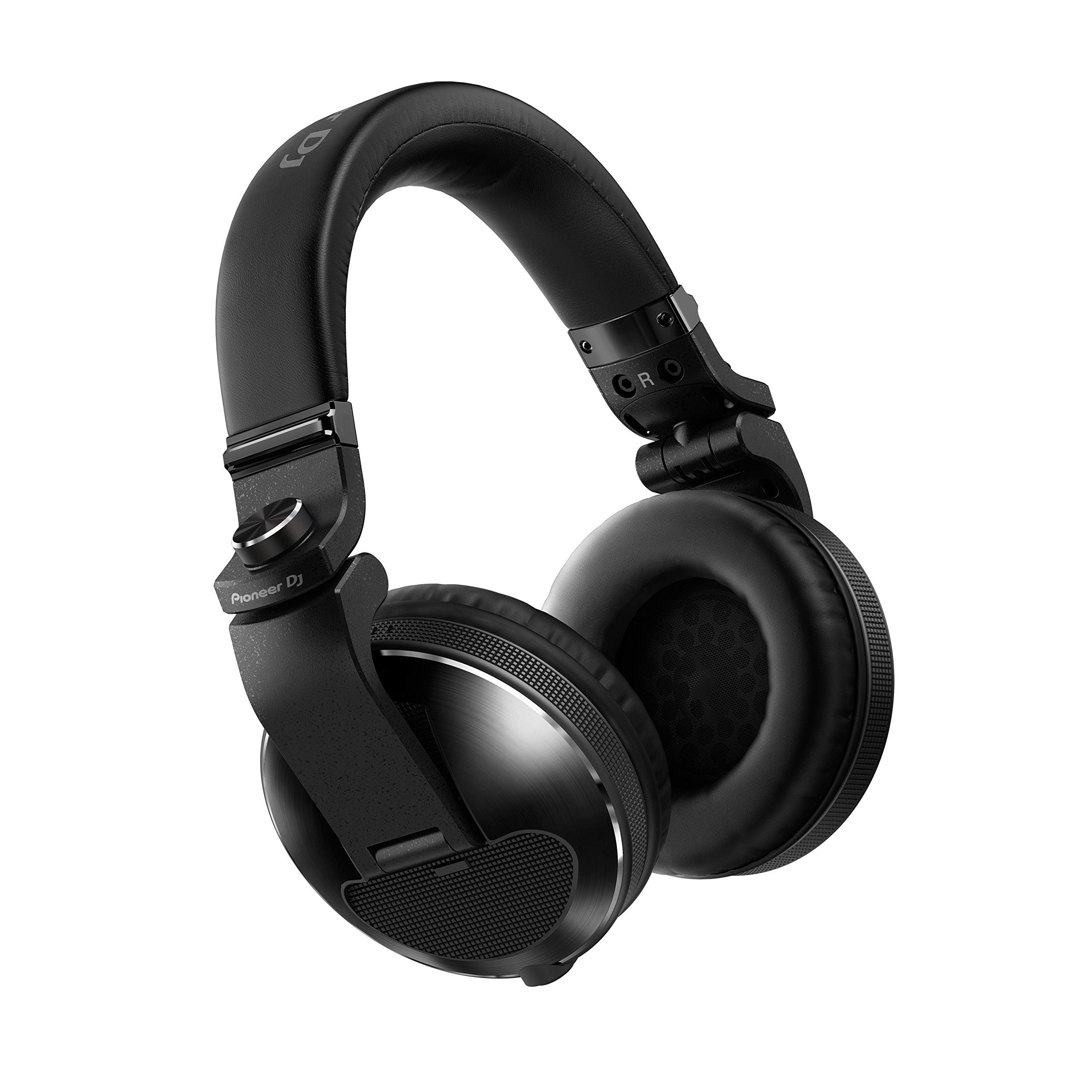
The Pioneer DJ HDJ-X10 is a professional over-ear DJ headphone rather than an open-back audiophile headphone. Its biggest strength is durability.
There is more metal in the moving parts and hinge area, and the headphone is designed to handle the demands of professional DJ use. The ear pads and headband cushion use a nano coating designed to resist deterioration from sweat and dirt. Pioneer also states that the HDJ-X10 passed MIL-STD-810G shock testing.
Pros
- The Pioneer DJ HDJ-X10 offers excellent build quality for professional DJ use.
- Its strong construction around the hinges is designed to handle demanding use.
- The 90-degree swivel mechanism is useful for one-ear monitoring during DJ sessions.
- The nano-coated ear pads and headband are designed to resist deterioration from sweat and dirt.
- The carrying case makes the headphones easier to transport and protect.
- The HDJ-X10 is designed specifically for professional DJ use.
Cons
- The HDJ-X10 has a closed-back design rather than an open-back design.
- It is heavier than many competing music-focused headphones.
- It is primarily designed for DJ monitoring rather than an open audiophile presentation.
The swivel mechanism is particularly useful for DJ monitoring because you can position one ear cup away from your ear while keeping the other in place. The headphone also folds for easier transport.
Pioneer specifies a 50 mm driver, 5 Hz to 40 kHz frequency response, 32-ohm impedance, and a weight of about 328 grams without the cable. It comes with both a coiled cable and a straight cable, a 6.3 mm adapter, and a carrying case.
The HDJ-X10 makes more sense for DJs and users who prioritize durability, isolation, and monitoring flexibility than for someone specifically seeking the spacious sound of an open-back headphone.
Pick #5
Sennheiser HD 600

The Sennheiser HD 600 is the strongest match for the original open-back focus of this article. It has been around for decades, but its sound and design have allowed it to remain relevant.
The HD 600 uses a dynamic open-back design with a 300-ohm impedance and weighs approximately 260 grams without the cable. Sennheiser’s current specifications list a 12 Hz to 40,500 Hz frequency response, 97 dB SPL at 1 V, and a 3-meter cable.
Pros
- The Sennheiser HD 600 offers excellent sound quality with a natural and balanced presentation.
- Its strong vocal reproduction makes it particularly enjoyable for music where midrange detail matters.
- The lightweight design makes it comfortable for longer listening sessions.
- The replaceable parts make the headphones easier to maintain over time.
- The HD 600 has a long-standing reputation for reliability.
Cons
- The open-back design provides no meaningful noise isolation.
- The bass does not extend as deeply as some newer headphones.
- The clamp can feel strong at first.
The first thing you notice about the HD 600 is its balanced presentation. It does not have the strong bass emphasis of the Meze 99 Classics or Fostex T60RP. Instead, it puts more emphasis on a natural midrange and clear vocal reproduction.
Vocals are one of its strongest areas. The presentation gives voices plenty of texture and places them slightly forward in the mix without becoming overly aggressive. Instruments also remain well separated, making the HD 600 particularly enjoyable for acoustic music, vocals, classical recordings, and other material where midrange detail matters.
The bass is controlled and punchy, although it rolls off more in the sub-bass than some modern headphones. That can be noticeable when comparing it directly with headphones that have stronger low-frequency extension. In normal listening, however, the bass still has good definition and does not feel excessively soft or bloated.
The soundstage is relatively intimate rather than extremely wide. That is not necessarily a disadvantage. The HD 600 provides good instrument separation and imaging even though it does not create the huge spatial presentation some newer headphones aim for.
Comfort is another strong point. The headphone weighs around 260 grams, and its velour ear pads provide plenty of room for most ears. The initial clamp can feel firm, but it tends to become more comfortable with use.
Because it is open-back, the HD 600 is not suitable for noisy environments. Sound leaks out, and outside noise comes in. It is better suited to quiet rooms, home listening, and desktop setups.
Which Headphone Should You Choose?
Each of these headphones has a different purpose.
For open-back listening: The Sennheiser HD 600 is the clear choice from this list. Its balanced sound, strong midrange, vocal reproduction, and lightweight design make it the most appropriate option for people specifically interested in open-back headphones.
For a warm closed-back sound: The Meze 99 Classics is a strong choice. Its walnut wood construction, comfortable headband, and warm presentation give it a character that is different from the HD 600.
For a semi-open planar presentation: The Fostex T60RP family is worth considering. The original T60RP is discontinued, so a current T60RPmk2 model is more relevant when shopping in 2026.
For DJ use: The Pioneer DJ HDJ-X10 is the better fit. Its swivel mechanism, durable construction, sweat-resistant materials, and included cables are designed around professional DJ monitoring.
For the Ultrasone sound: The Performance 880 has an interesting warm presentation and S-Logic technology, but its limited current availability makes it a less practical recommendation than newer alternatives.
Frequently Asked Questions
Which is the best open-back headphone under $500 from this list?
The Sennheiser HD 600 is the best match for the open-back category in this list. It offers a balanced sound, strong midrange performance, detailed vocals, and a lightweight design.
Is the Meze 99 Classics an open-back headphone?
No. The Meze 99 Classics is a closed-back headphone with walnut wood earcups and 40 mm dynamic drivers.
Is the Fostex T60RP open-back?
No. The T60RP is a semi-open headphone. It uses Fostex’s RP planar magnetic driver and a wooden housing.
Is the Sennheiser HD 600 good for everyday listening?
Yes, provided you use it in a quiet environment. Its open-back design leaks sound and allows outside noise in, so it is better suited to home or desktop listening than commuting.
Does the HD 600 need an amplifier?
Its 300-ohm impedance means it is more demanding than low-impedance headphones such as the Meze 99 Classics. It can work with some devices, but a suitable headphone amplifier can make it easier to achieve adequate volume and performance.
Are the Pioneer DJ HDJ-X10 headphones open-back?
No. The HDJ-X10 is a closed, dynamic over-ear DJ headphone designed for monitoring, isolation, durability, and flexible DJ use.
Is the original Fostex T60RP still current?
No. Fostex currently lists the original T60RP as discontinued and has replaced by the updated Fostex T60RPmk2.