
What Are Electrostatic Headphones? Definition, Types, and Uses
Definition of Electrostatic Headphones
Electrostatic headphones are headphones that convert electrical energy into sound waves by working on the principle of electrostatics. Electrical energy creates an electric field that causes the diaphragm to move, generating sound waves.
Advantages of Electrostatic Headphones
Electrostatic headphones have several advantages:
- Impressive sound quality
- Lightweight diaphragm for detailed sound reproduction
- Clean, clear, and accurate audio
- Durable and comfortable materials
Disadvantages of Electrostatic Headphones
There are also some disadvantages to consider:
- They are expensive compared with many other types of headphones.
- Good performance usually requires a dedicated amplifier or energizer.
- They can be affected by temperature and humidity.
What Are Electrostatic Headphones?
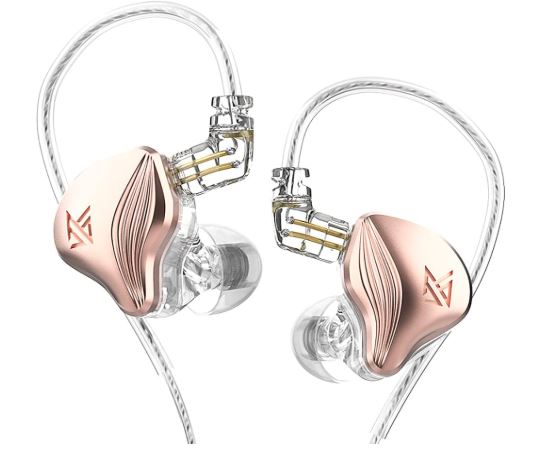
In electrostatic headphones, the diaphragm, which is the main part of the driver, acts as a very thin membrane. It is placed between two perforated metal plates, creating a structure that can be thought of as a small sandwich.
The two metal plates sit on either side of the extremely thin diaphragm. The diaphragm is held in place with small supports that prevent it from moving too far in either direction while still allowing it to move freely between the plates.
In most electrostatic headphones, the diaphragm is coated with a thin conductive layer. This allows it to hold a constant electrical charge.
How Do Electrostatic Headphones Work?
One of the two metal plates has the same type of electrical charge as the diaphragm, while the other plate has the opposite charge. The plate with the same charge pushes the diaphragm away, while the plate with the opposite charge pulls the diaphragm toward it.
When an audio signal is sent to the headphones, the electrical charges on the plates change very quickly. This causes the diaphragm to move back and forth between the two plates.
The diaphragm’s rapid movement affects the surrounding air, creating sound waves that we hear as music, speech, or other audio.
Because the diaphragm is extremely thin and lightweight, it can respond quickly to changes in the audio signal. This is one of the main reasons electrostatic headphones are known for their detailed and accurate sound reproduction.
What Are Planar Magnetic Headphones?

Planar magnetic headphones work in a similar way to electrostatic headphones in the sense that they use a thin diaphragm that moves to produce sound. However, planar magnetic headphones use magnets rather than an electrostatic field.
The diaphragm is suspended between two sets of oppositely aligned magnets. These magnets are carefully positioned and spaced on either side of the diaphragm so that the driver remains properly controlled.
A conductive wire or trace is embedded into the diaphragm. When the audio signal passes through it, it creates a magnetic field that interacts with the permanent magnets on either side.
How Do Planar Magnetic Headphones Work?
In planar magnetic headphones, two sets of magnets are positioned on opposite sides of the diaphragm. When an audio signal passes through the conductive traces embedded in the diaphragm, it creates a magnetic field.
This magnetic field interacts with the permanent magnets and causes the diaphragm to move back and forth. The movement of the diaphragm pushes the surrounding air and creates sound.
Planar magnetic headphones and electrostatic headphones therefore share some of the same benefits, particularly when it comes to detail and sound reproduction. However, planar magnetic headphones can generally produce stronger low-frequency performance because the magnetic force allows the diaphragm to move with more power.
Planar magnetic headphones also usually have a much lower impedance than electrostatic headphones, which makes their amplification requirements different.
What Is the Difference Between Planar Magnetic and Electrostatic Headphones?
The biggest difference is the technology used to move the diaphragm.
Electrostatic headphones use an electrically charged diaphragm positioned between two charged plates. The changing electrical field moves the diaphragm and produces sound.
Planar magnetic headphones use a diaphragm with conductive traces positioned between magnetic fields. The interaction between the electrical signal and the magnets moves the diaphragm.
In simple terms, electrostatic headphones use electric fields, while planar magnetic headphones use magnetic fields.
| Feature | Electrostatic Headphones | Planar Magnetic Headphones |
| Driver technology | Electrostatic field | Magnetic field |
| Diaphragm | Extremely thin | Thin diaphragm with conductive traces |
| Sound | Highly detailed and clean | Detailed with stronger low-end potential |
| Amplification | Usually requires a dedicated energizer/amplifier | Requires suitable amplification |
| Cost | Usually expensive | Available across a wider range of prices |
What Are the Three Types of Headphones?
When people talk about the main headphone driver technologies, they usually refer to three types:
- Dynamic headphones: Use a voice coil, magnet, and diaphragm to create sound.
- Planar magnetic headphones: Use magnets and a thin diaphragm with conductive traces to produce sound.
- Electrostatic headphones: Use a very thin, electrically charged diaphragm positioned between two perforated metal plates.
Each type uses a different method to move the diaphragm and produce sound. They also have their own advantages and limitations, so the best choice depends on the sound, features, and listening experience you want.
Are Electrostatic Headphones the Best?
Electrostatic headphones can be among the best choices for listeners who prioritize detail, clarity, and accurate sound reproduction. However, they are not automatically the best headphones for everyone.
Their high price and need for dedicated amplification can make them less practical for everyday listening. Planar magnetic and dynamic headphones can also provide excellent sound while being easier to use and, in many cases, less expensive.
The best choice depends on what you value most, such as sound quality, price, portability, amplification requirements, or everyday convenience.
Are Electrostatic Headphones Wired?
Most traditional electrostatic headphones are wired. They require a connection to a suitable amplifier or energizer, which provides the electrical conditions needed for the electrostatic driver to operate.
Because of this requirement, true wireless electrostatic headphones are uncommon compared with wireless dynamic or planar magnetic headphones.
What Are Electrostatic Headphones Used For?
Electrostatic headphones are mainly used when detailed and accurate sound reproduction is a priority. They can be suitable for:
- Critical listening
- Music listening
- Audiophile listening setups
- Studio and audio evaluation
- Listening to recordings where small details are important
They are generally less convenient for activities where portability and wireless connectivity are more important.
Frequently Asked Questions
What is an electrostatic headphone?
An electrostatic headphone uses a very thin electrically charged diaphragm placed between two perforated metal plates. Changes in the electrical field move the diaphragm and create sound waves.
How do electrostatic headphones produce sound?
They produce sound by moving a thin diaphragm between two charged plates. The changing electrical field pushes and pulls the diaphragm, causing it to move the surrounding air and create sound.
Are electrostatic headphones better than planar magnetic headphones?
Neither technology is automatically better. Electrostatic headphones can provide excellent detail and clarity, while planar magnetic headphones can offer strong detail with more powerful low-frequency performance and different amplification requirements.
Do electrostatic headphones need an amplifier?
Yes. Traditional electrostatic headphones generally require a dedicated energizer or amplifier designed specifically for electrostatic drivers.
Are electrostatic headphones wireless?
Most traditional electrostatic headphones are wired because they require a dedicated energizer or amplifier. Wireless electrostatic headphones are much less common.
Why are electrostatic headphones so expensive?
The driver design is more specialized, and the headphones often require dedicated amplification equipment. These factors contribute to their higher overall cost.
Are electrostatic headphones good for bass?
Electrostatic headphones can produce excellent bass, but they are generally better known for detail, clarity, and speed. Planar magnetic headphones can be a better choice if strong low-frequency impact is a major priority.
What is the main advantage of electrostatic headphones?
Their extremely lightweight diaphragm can respond very quickly to the audio signal, helping produce highly detailed, clean, and accurate sound.
What is the main disadvantage of electrostatic headphones?
The biggest disadvantages are their high price and the need for dedicated amplification. They are also less practical for portable listening.
Which Type of Headphones Is Right for You?
Electrostatic headphones are a strong choice for listeners who care most about clear, detailed, and accurate sound. However, they are expensive and need a dedicated amplifier, so they may not be suitable for everyone.
Planar magnetic headphones are a better option if you want detailed sound with more powerful bass and don’t want to use the same type of setup required by electrostatic headphones. Dynamic headphones are still a good choice if you want something simple, affordable, and suitable for everyday listening.
If sound quality is your main priority and budget is not a major concern, electrostatic headphones are worth considering. If you want strong bass along with detailed sound, go with planar magnetic headphones. For everyday use at a lower price, dynamic headphones are the more practical option.
On This Page
- Advantages of Electrostatic Headphones
- Disadvantages of Electrostatic Headphones
- What Are Electrostatic Headphones?
- How Do Electrostatic Headphones Work?
- What Are Planar Magnetic Headphones?
- How Do Planar Magnetic Headphones Work?
- What Is the Difference Between Planar Magnetic and Electrostatic Headphones?
- What Are the Three Types of Headphones?
- Are Electrostatic Headphones the Best?
- Are Electrostatic Headphones Wired?
- What Are Electrostatic Headphones Used For?
- Frequently Asked Questions
- Which Type of Headphones Is Right for You?